Clonidine Treatment
Clonidine Treatment
Clonidine: Its Potential Good Uses and Misuses
Although prescription drugs can help with a variety of medical issues, they also have the potential to be abused. One example is clonidine, which is sold under multiple brand names, particularly Catapres and Kapvay.
What Is Clonidine Used For?
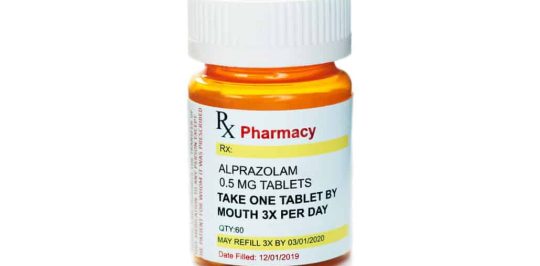
Clonidine is primarily used to fight hypertension or high blood pressure. Because of the way the drug impacts the nervous system, it leads to a relaxation of the body’s blood vessels, which helps keep blood pressure under control.
Other approved uses of clonidine include managing attention deficit hyperactivity disorder in children and contributing to pain relief in people who have cancer. When it comes to off-label usage, doctors have prescribed or administered the drug for anxiety, post-traumatic stress disorder, insomnia, and withdrawal management following addiction to other drugs, including alcohol and opioids.
Often, clonidine is ingested in tablet form, but it may also be delivered through a patch or as an injection. For its various uses, it can be administered alone or in combination with other medications under a doctor’s supervision. For example, somebody with ADHD may wind up taking clonidine in addition to Adderall. Adderall is a stimulant, but clonidine isn’t classified as one.
What Are the Positive Effects of Clonidine?
Clonidine can help people manage high blood pressure depending on the reason for its use. It may also keep them more calm and focused, and it may provide relief from pain or other deeply unpleasant symptoms.
The Effects of Clonidine During Drug Detoxification
When people go to an addiction treatment center for detoxification, they may receive various medications to help ease withdrawal from opioids, alcohol, and other addictive substances. Alone or with other medications, clonidine can make withdrawal less painful.
For example, opioid addicts may find that clonidine helps reduce their anxiety during withdrawal and makes it easier for them to endure heavy sweating and hot flashes. With clonidine, the detoxification stage may even be shorter, not lasting more than a week.
It’s important to emphasize that clonidine exerts these positive effects in controlled doses under medical supervision. As withdrawal progresses and symptoms become less severe, doctors gradually decrease the amount of clonidine a patient takes.
The dose of clonidine used for withdrawal management depends on the individual patient. In some cases, it may not be safe to use, especially if the patient is taking other medications that interact poorly with clonidine. These include certain medications for seizures, anxiety, depression, sleeping problems, or cardiovascular issues. Doctors have an understanding of adverse drug interactions, and they help patients avoid dangerous combinations.
What Are the Potential Side Effects of Clonidine?
Potential side effects include a rapid or irregular heartbeat, brain fog, chest pain, headaches, fatigue, drowsiness, dry mouth, constipation, nausea, and skin problems.
Whether or not people experience side effects depends on multiple factors, including their medical history and the dose they’re taking. It’s critical to use clonidine with medical guidance and immediately report side effects to a doctor.
What Can Happen If You Stop Using Clonidine Abruptly?
Even if you aren’t abusing the drug, you need to be careful about its effects on your body, including what may happen if you stop using it. If you suddenly stop taking clonidine, your blood pressure may spike dangerously. Withdrawal symptoms are another possibility; these include nausea, hallucinations, and agitation.
Before making any changes to how you use this drug, consult with a doctor. Doctors typically wean you off of it, giving your body time to adjust to the decreased drug intake.
How Do People Abuse Clonidine?
By itself, clonidine isn’t considered a strongly addictive substance. Generally, people who misuse drugs don’t take clonidine on its own. They abuse it by combining it in unauthorized and unsafe ways with other drugs.
In an addiction treatment facility, medical professionals may carefully use clonidine to help ease withdrawal symptoms. But addicts have also found ways to misuse clonidine in order to enhance and fuel their drug consumption.
For example, they may find that clonidine prolongs the effects of another drug, such as heroin or an opioid painkiller, or that they don’t need as much of the other drug to enjoy a satisfying high. Instead of being a helpful medication, clonidine is incorporated into dangerous drug habits and becomes another addictive substance.
What Are the Dangers of Clonidine Misuse and Addiction?
Let’s say somebody combines clonidine with alcohol, because they feel that the clonidine enhances the sedative qualities of alcohol. Mixing alcoholic beverages and clonidine can lead to disastrous outcomes, such as heart attacks, strokes, seizures, and comas. For some, the combination proves lethal.
Dangerous Doses
Even when it’s used in an authorized way, clonidine can have various side effects. The risk of side effects increases when people take the drug without a doctor’s guidance, especially when the doses are too large.
An overdose of clonidine may lead to hypotension, which means that the body’s blood pressure drops too low. People may also experience brachycardia, an unusually slow heartbeat. They also suffer hypothermia in some cases, and respiratory failure is another possibility.

Long-Term Effects
With prolonged misuse, people can become dependent on clonidine. Along with taking larger or more frequent doses, they may start using deception to obtain a supply of the drug. Examples include lying to doctors, forging prescriptions, and stealing from loved ones to buy the drug illegally. Because clonidine isn’t seen as having a high potential for abuse or addiction, doctors may be too unguarded when giving out a prescription for it.
As with other types of drug addiction, people may spend an increasing amount of time thinking about clonidine, when they’ll next be able to take it, and how they’ll be able to get enough of it. A common sign of addiction is neglect in various life areas and changes in personality. People miss appointments, skip work and school, break promises to family and friends, turn away from hobbies they once loved, and fail to take care of their own health and hygiene.
The long-term effects of clonidine abuse include problems with the cardiovascular system; these range from heart palpitations to heart failure. Clonidine can also have a serious impact on psychological health. Addiction to the drug may lead to or exacerbate depression, insomnia, and regularly occurring nightmares.
Do People Who Are Addicted to Clonidine Need Medically Supervised Withdrawal?
The first step to overcoming clonidine addiction is to go through detoxification. It’s highly advisable to seek medical supervision at a reputable treatment center for withdrawal.
People addicted to clonidine are also typically addicted to other drugs. When coming up with an individualized treatment program, doctors will account for each patient’s comprehensive medical and psychological history, including the possible life-threatening interactions between clonidine and other drugs.
Withdrawal symptoms for clonidine alone can become severe. Because of the potential for cardiovascular problems, chronic headaches, hallucinations, tremors, anxiety, and depression, medical supervision is necessary during withdrawal to help keep each patient safe and as comfortable as possible during a challenging time.
Why Should You Choose Every1 Center?
At Every1 Center, you’ll receive compassionate and evidence-based care from professionals who deeply understand drug addiction. We know how different medications, such as clonidine, can be used for a patient’s benefit. At the same time, we understand the risks of these prescription drugs and how they can be abused.
You’ll benefit from individualized treatment tailored to your medical needs, personality, values, and life goals with us. Call to learn more about inpatient and outpatient treatment programs to support your recovery and draw on various therapies. Don’t hesitate to reach out to us today!